Jul 6, 2026BUYER’S GUIDE
How Overseas Buyers Can Evaluate a Manufacturer Beyond the Quotation
Price matters, but production capability, communication, sample control and specification management often determine the real cost of a project.
How Overseas Buyers Can Evaluate a Manufacturer Beyond the Quotation
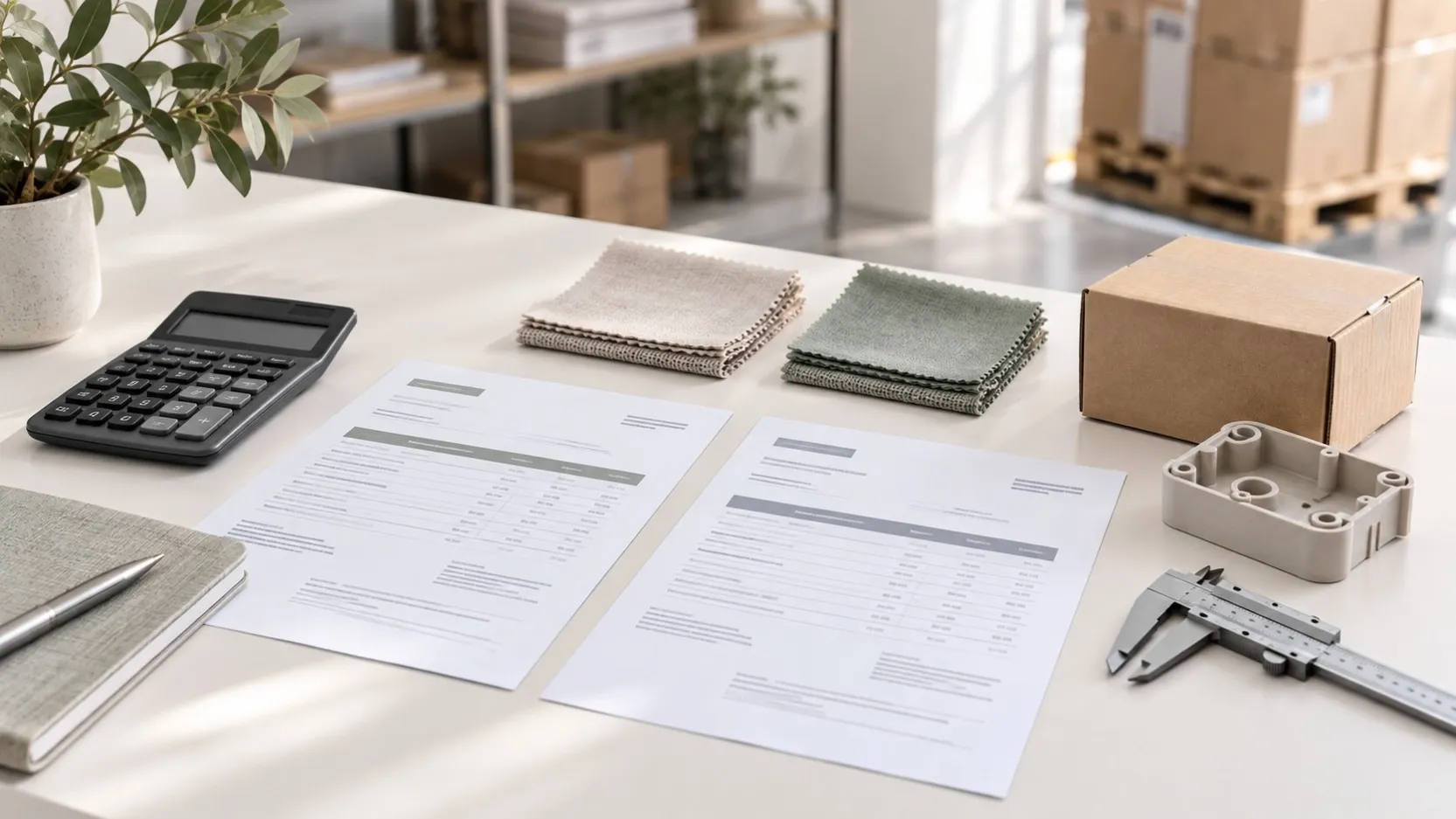
When comparing suppliers, the lowest quotation can be attractive—but unit price alone does not show how reliably a factory can develop, manufacture and deliver the product. Overseas buyers should assess the systems behind the quotation before making a sourcing decision.
1. Does the factory control the required production processes?
Ask which processes are completed in-house and which are outsourced. A product combining sewn fabric, metal frames, molded plastic and final assembly requires coordination across several production stages. Greater process visibility can make technical communication and production scheduling easier to manage.
Our manufacturing system includes five production departments: sewing, metalwork, powder coating, injection molding and assembly. This structure supports baby products, kids’ ride-on products and selected pet products that use mixed materials and multiple component types.
2. Can the supplier explain how specifications are controlled?
A dependable supplier should be able to identify the approved sample, key dimensions, materials, colors, functions and packaging requirements used as production references. Buyers should ask how revisions are recorded and communicated before mass production begins.
Verbal confirmation is rarely enough for a customized project. Drawings, specification sheets, color references and signed samples create clearer approval points for both sides.
3. Is sample feedback translated into measurable changes?
During sampling, pay attention to how the supplier responds to feedback. Strong development support means more than agreeing to a change—it means confirming what will change, how it will be measured and whether the adjustment affects cost, tooling or lead time.
With a development team of more than 30 people, we review product structure, materials, functions and production feasibility before confirmed changes are transferred to relevant departments.
4. Is the production capacity suitable for your growth plan?
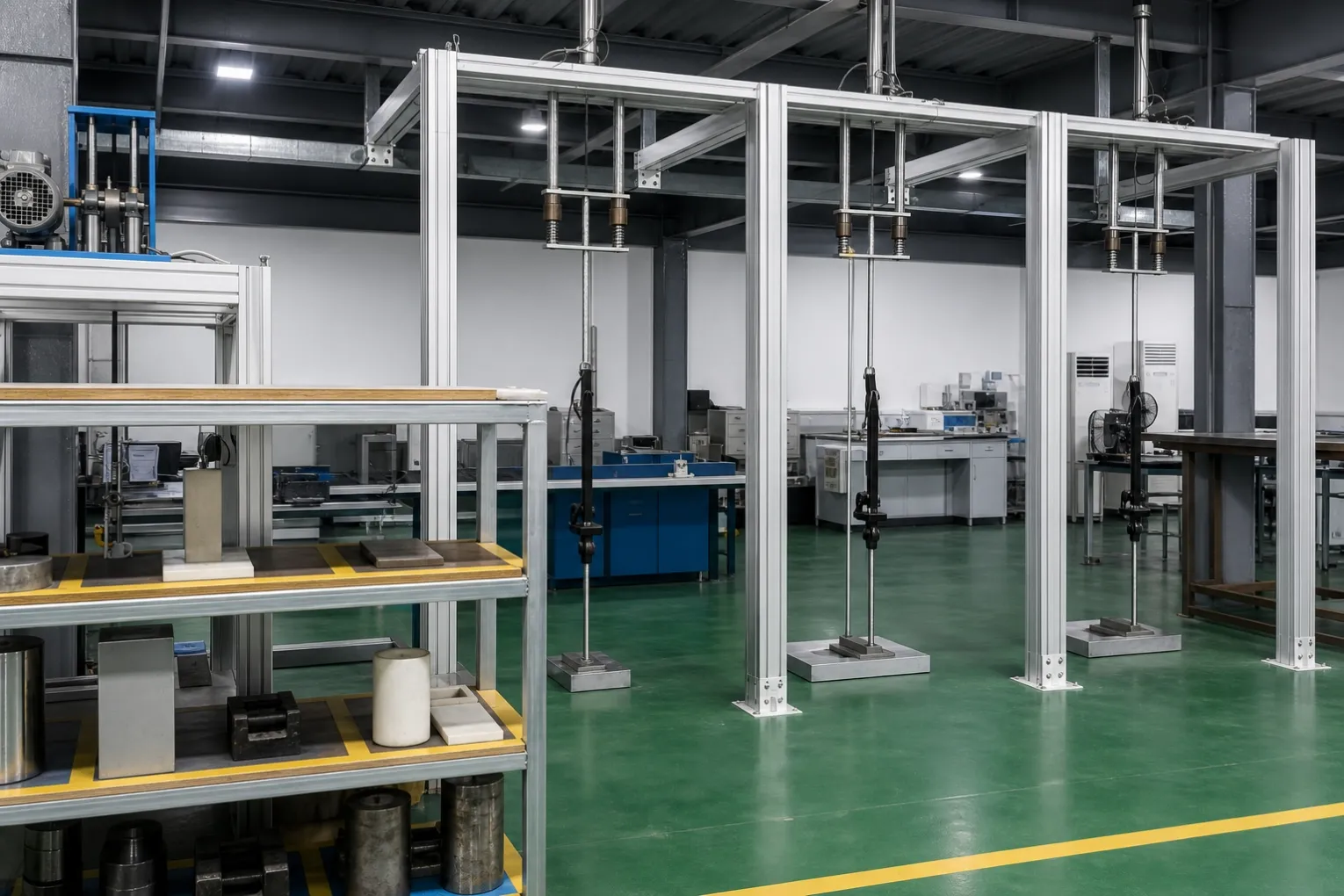
Capacity should be considered in relation to the product type, order schedule and seasonal demand. Ask about available capacity, production planning and how repeat orders are handled—not just the factory’s headline capacity.
Our monthly maximum capacity can reach up to 450,000 units across product categories. Actual project capacity is assessed according to product complexity, material availability and the confirmed production schedule.
5. Does communication remain clear when problems appear?
Every product-development project involves decisions and occasional changes. The important question is whether issues are identified early, documented clearly and followed through to closure. Buyers should look for specific answers, realistic timelines and written confirmation of important decisions.
The best supplier is not simply the one offering the lowest initial price. It is the partner that can make product requirements visible, reduce uncertainty and support consistent execution from sample approval to repeat orders.
Buyer Checklist
- Which processes are completed in-house?
- What sample or document becomes the production standard?
- How are specification changes recorded?
- What testing or compliance information is required for the destination market?
- What is included and excluded from the quotation?
- How are inspection findings handled before shipment?