How to Choose a Reliable Metal & Plastic Baby Furniture Manufacturer in China
Introduction
China remains one of the most competitive sourcing destinations for baby furniture such as baby walkers, rockers, high chairs, and metal-frame cribs.
However, selecting a reliable manufacturer is critical—especially for products that combine metal structures and plastic components, where safety, stability, and compliance are essential.
This guide outlines key factors international brands and importers should consider when choosing a baby furniture manufacturer in China.
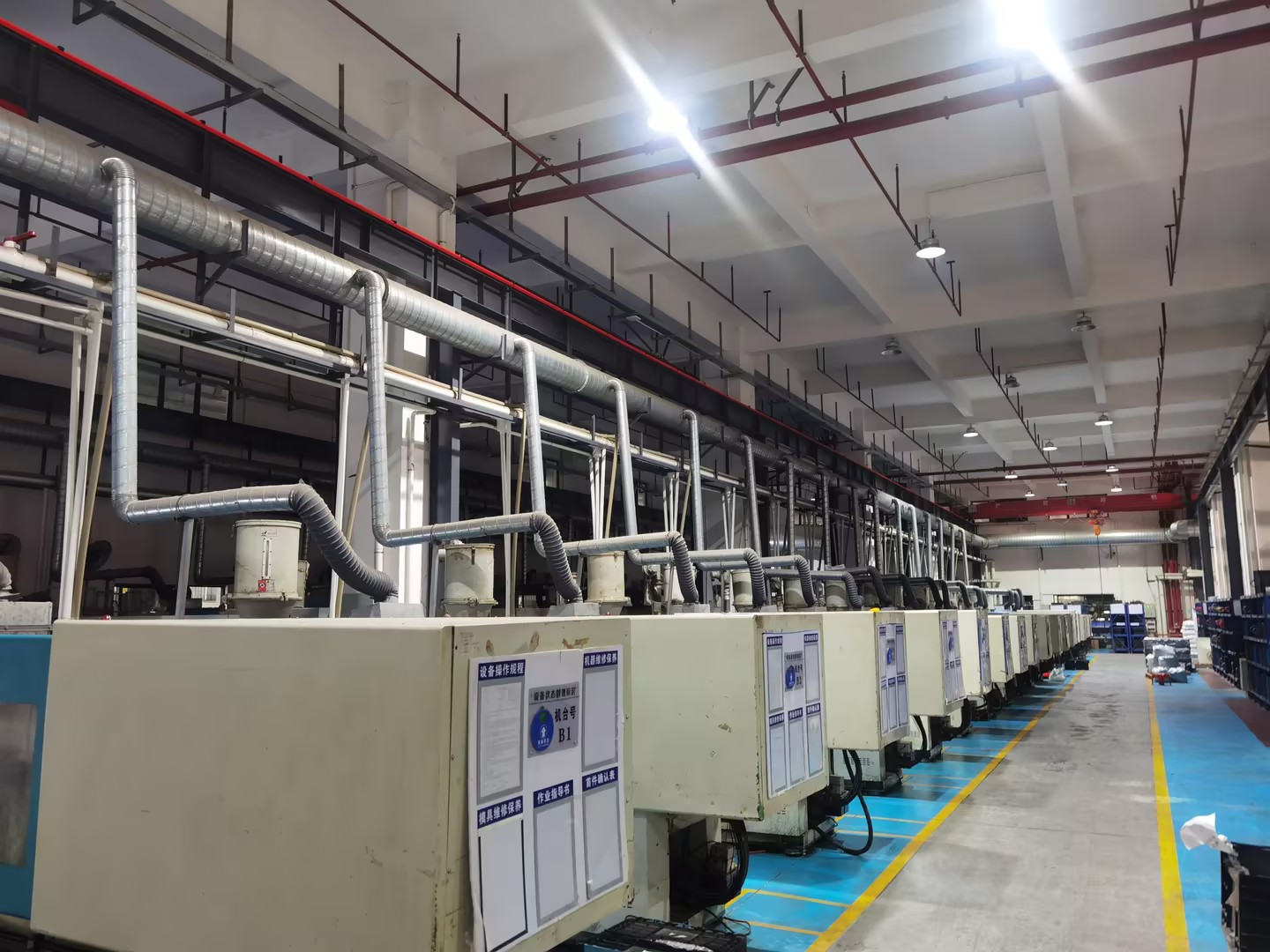
1. Verify Experience in Metal & Plastic Baby Furniture
Not all baby product factories specialize in metal structure and plastic injection production. For products such as:
-
Baby walkers
-
Baby rockers
-
Adjustable high chairs
-
Foldable metal baby cribs
Manufacturing expertise in the following areas is essential:
-
Steel tube processing and welding
-
Structural load-bearing design
-
Powder coating for child-safe finishes
-
Plastic injection molding precision
-
Folding and locking mechanism engineering
A reliable supplier should clearly explain their production process and provide real project references.
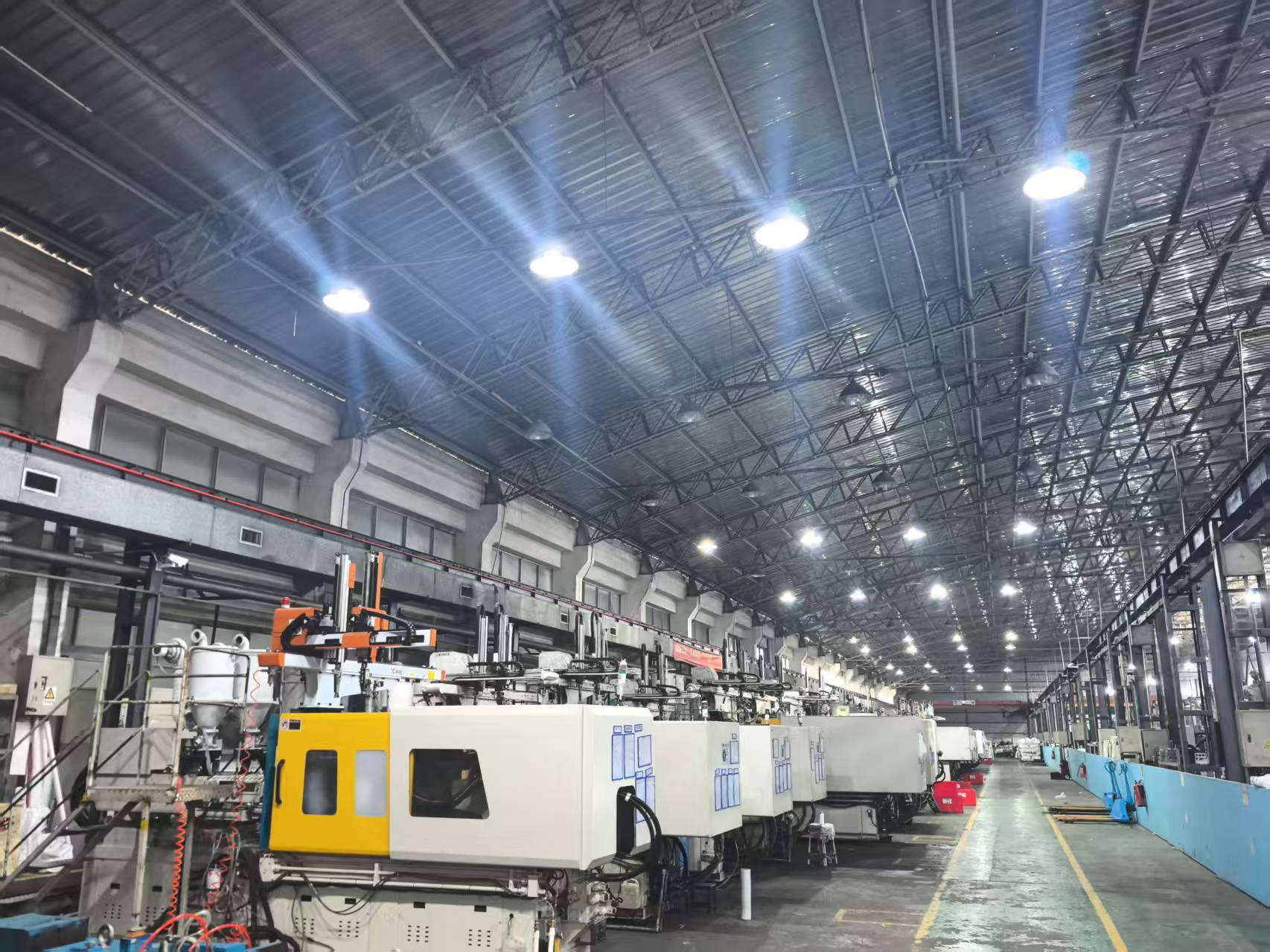
2. Confirm Compliance with International Safety Standards
Baby furniture products must meet strict regulatory requirements in global markets.
For example:
-
EN 1273 (for baby walkers in Europe)
-
ASTM F977 (for baby walkers in the U.S.)
-
CPSIA (chemical and heavy metal compliance)
For metal cribs and high chairs, additional structural safety standards may apply depending on the market.
Ask suppliers to provide:
-
Valid test reports
-
Chemical compliance documentation
-
Third-party laboratory certifications
Compliance should never be assumed—it must be verified.
3. Evaluate Quality Control Systems
Metal and plastic baby furniture requires multi-stage inspection due to its structural complexity.
A reliable manufacturer should implement:
IQC (Incoming Quality Control)
Inspection of steel tubes, plastic granules, hardware components.
IPQC (In-Process Quality Control)
Monitoring welding quality, surface treatment consistency, and assembly alignment.
FQC (Final Quality Control)
Load-bearing tests, stability checks, function testing (folding mechanisms, height adjustment), and packaging verification.
Factories with documented inspection procedures and traceability systems are generally more dependable.
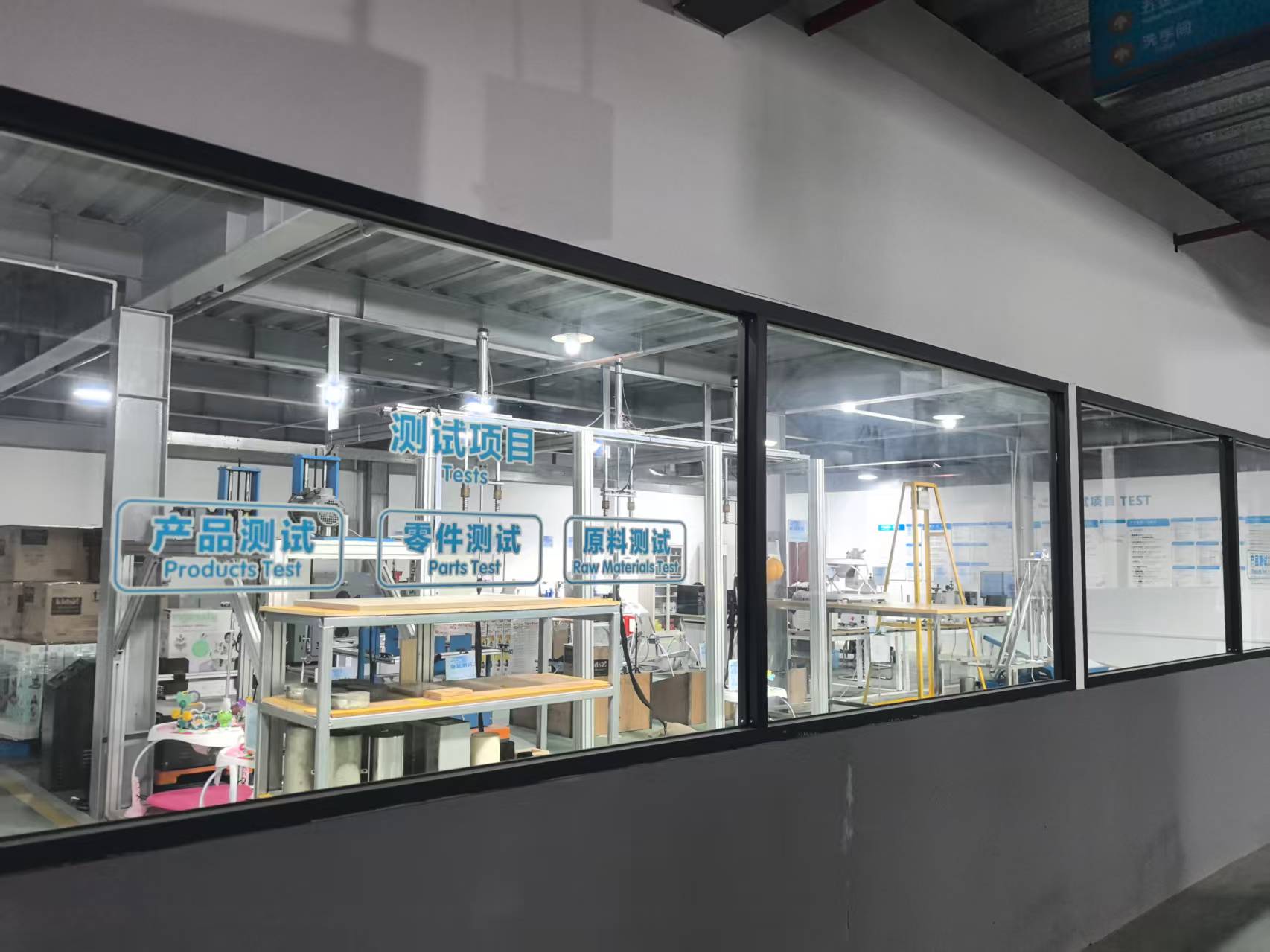
4. Assess Structural Testing Capability
For products like high chairs and baby walkers, structural performance is critical.
Key evaluations include:
-
Static load testing
-
Dynamic stability testing
-
Locking mechanism durability
-
Anti-tip performance
A professional manufacturer should conduct internal preliminary tests before third-party submission.
Structural reliability directly affects brand reputation and liability risk.
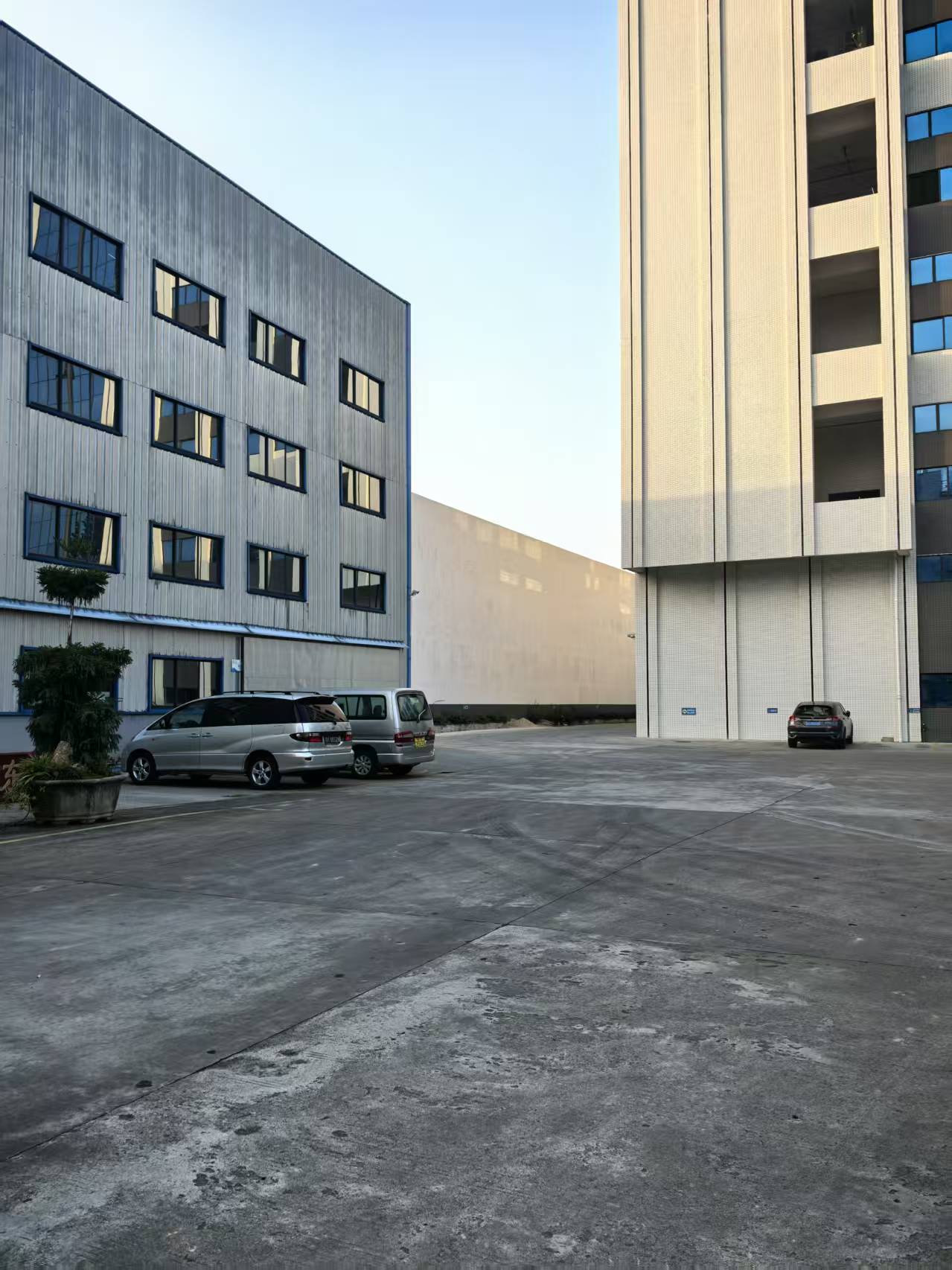
5. Review Production Capacity and Scalability
Peak seasons in baby product markets require stable production output.
Evaluate whether the factory has:
-
Dedicated welding and assembly lines
-
Powder coating facilities
-
Plastic injection capacity
-
Flexible labor management
-
Experience handling large retail orders
A factory capable of scaling production without sacrificing quality is a valuable long-term partner.
6. Understand OEM & ODM Development Capability
For customized baby furniture projects, development capability matters.
Ask whether the factory can provide:
-
Engineering drawings and 3D design support
-
Mold development for plastic parts
-
Structure optimization for cost control
-
Pilot production and sample validation
An experienced OEM/ODM manufacturer can reduce development risks and accelerate time to market.
7. Consider Audit and Factory Management Standards
Many international buyers require social and quality audits.
Check whether the factory operates under systems aligned with:
-
ISO 9001
-
SA8000
Audit experience indicates structured management and responsible manufacturing practices.
8. Evaluate Communication and Transparency
Clear communication is often a reflection of internal management.
Reliable manufacturers typically:
-
Provide detailed quotations
-
Clarify lead times
-
Share inspection photos or reports
-
Respond promptly to technical questions
Professional communication reduces sourcing uncertainty.
Conclusion
Choosing a reliable metal and plastic baby furniture manufacturer in China requires careful evaluation of compliance, structural expertise, quality control systems, and production capacity.
For products such as baby walkers, rockers, high chairs, and metal-frame cribs, structural integrity and safety compliance are non-negotiable.
A factory with proven experience in welding, plastic injection, powder coating, and international safety standards can provide the stability global brands need for long-term cooperation.