2026 Trends in Baby Furniture and Ride-On Toys
Introduction
As global demand continues to evolve, baby furniture and ride-on toys in 2026 are defined by safety, modular design, sustainability, and extended product lifespan.
For buyers sourcing from China, understanding these trends is essential when selecting reliable OEM partners for metal and plastic baby products such as walkers, high chairs, rockers, cribs, and ride-on toys.
1. Safety and Structural Stability Remain the Core Priority
Safety continues to lead purchasing decisions.
For products such as baby walkers, high chairs, and metal cribs, structural performance is critical. Reinforced steel frames, improved anti-tip systems, and reliable locking mechanisms are now baseline expectations.
Compliance with standards such as:
-
EN 1273
-
ASTM F977
-
EN 71
remains essential for market access in the EU and US.
Manufacturers with strong welding control, load-bearing testing, and documented quality systems will gain buyer trust.
2. Modular & Grow-With-Child Designs
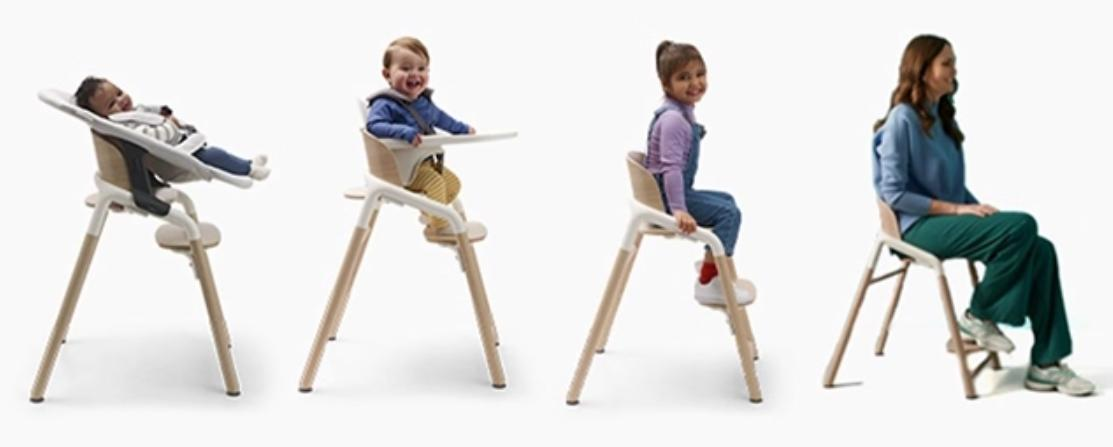
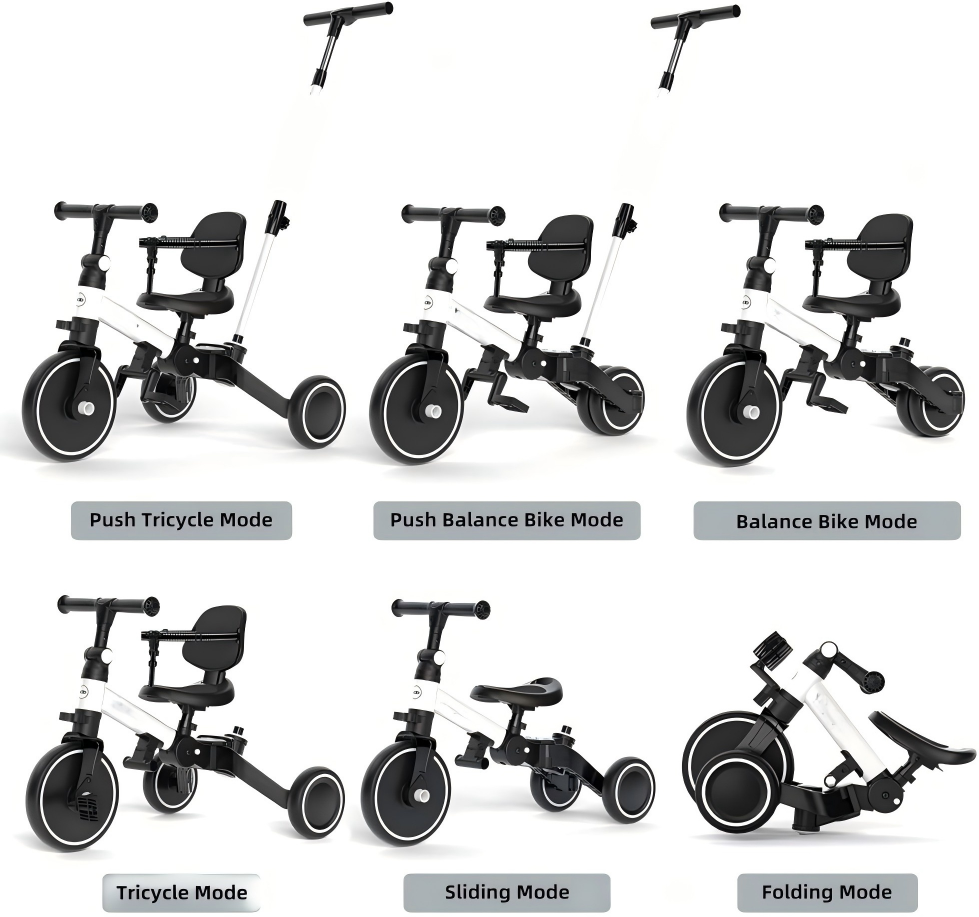
One of the strongest trends in 2026 is modular ride-on and baby furniture design.
Products increasingly support multiple growth stages, including:
-
Parent-assisted push mode
-
Independent ride-on mode
-
Balance or training mode
Removable push handles, adjustable seats, and detachable guardrails extend the usable age range.
This grow-with-child approach enhances product value, improves retail positioning, and reduces replacement frequency — an important factor for both consumers and distributors.
For manufacturers, stable steel frame engineering combined with durable plastic components is essential to ensure safety across all usage modes.
3. Foldable and Space-Saving Solutions
Urban living and global e-commerce growth are driving demand for compact designs.
Foldable metal cribs, collapsible high chairs, and lightweight walkers reduce storage space and shipping volume. Buyers increasingly favor suppliers that can balance structural strength with portability.
Space-efficient engineering also improves container loading efficiency, which directly impacts landed cost.
4. Sustainability and Material Compliance
Environmental responsibility is no longer optional.
In 2026, buyers are prioritizing:
-
Low-VOC powder coating
-
Recyclable plastic components
-
Reduced packaging materials
-
Chemical compliance documentation
Regulatory frameworks such as CPSIA and REACH continue to influence sourcing decisions.
Factories capable of providing transparent compliance documentation and material traceability will have a competitive advantage.
5. Stronger OEM & Customization Demand
Global brands and retailers increasingly seek differentiated designs.
Customization trends include:
-
Exclusive color options
-
Branded plastic molding
-
Structural optimization for target markets
-
Packaging customization
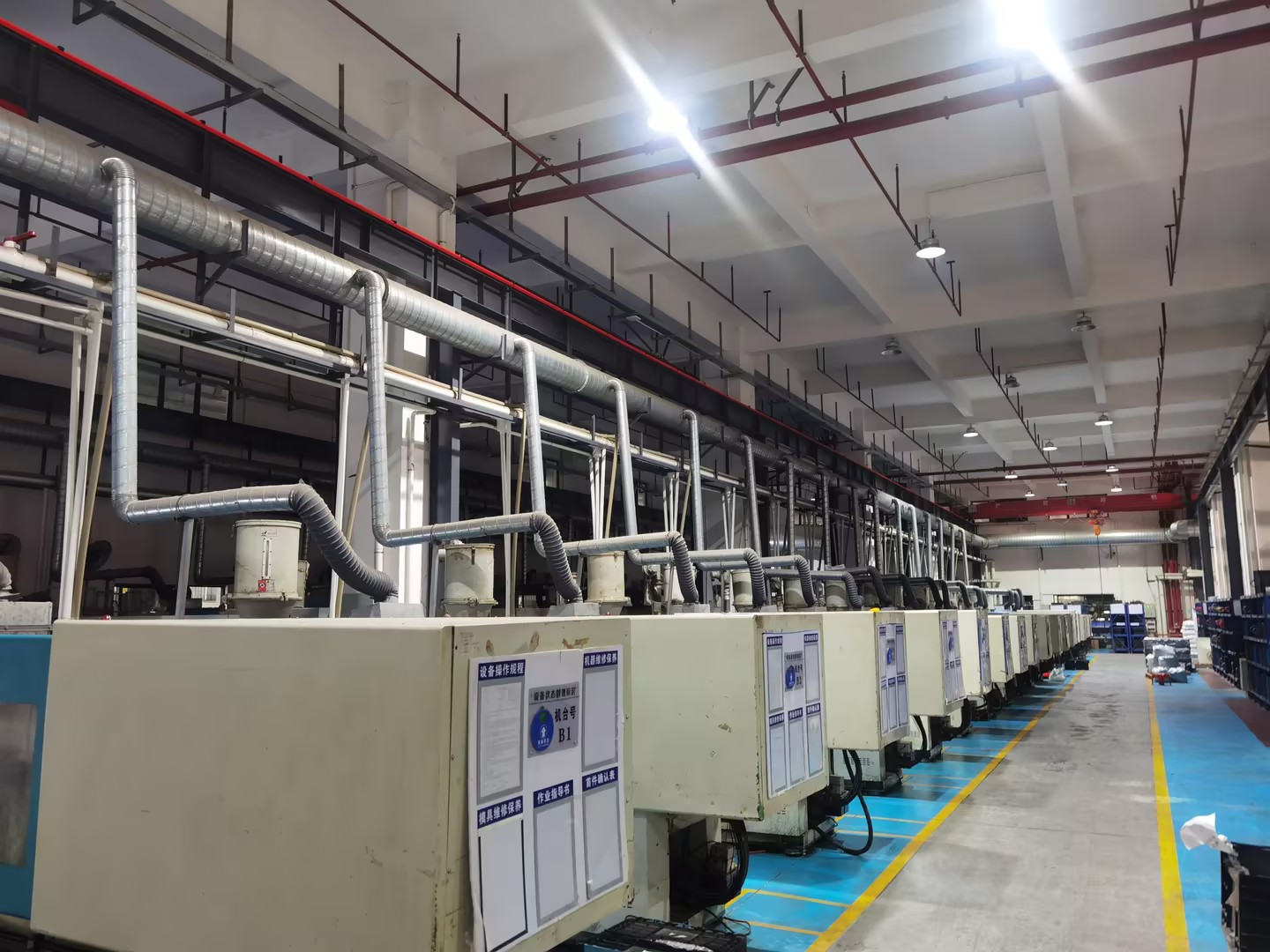
Manufacturers with in-house tooling, plastic injection capability, and metal fabrication expertise are better positioned to support efficient OEM and ODM development.
6. Enhanced Quality Control & Traceability
Buyers expect more than final inspection.
Structured IQC, IPQC, and FQC systems, along with batch traceability and documented load testing, are becoming standard requirements.
Factories with established quality management systems, including ISO 9001, demonstrate higher operational reliability.
Conclusion
The 2026 baby furniture and ride-on toy market is shaped by:
-
Structural safety
-
Modular growth-stage design
-
Portability
-
Sustainability
-
OEM customization capability
For global buyers sourcing metal and plastic baby products from China, partnering with a manufacturer that combines engineering expertise, compliance knowledge, and structured quality control is essential for long-term success.